Bulgaria is a land of beauty!
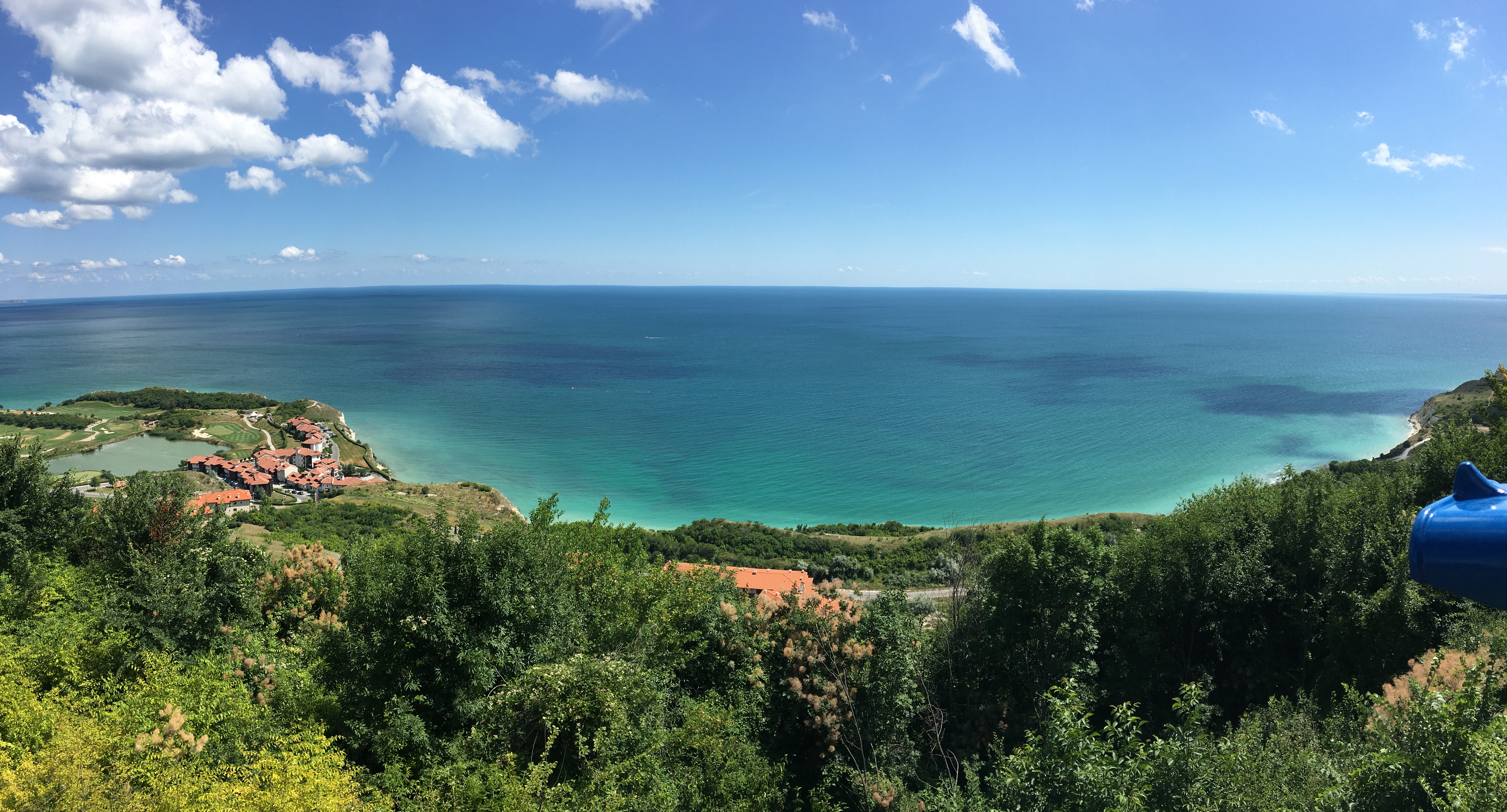
For now it remains under-explored despite its deep cultural and historical heritage (oldest gold found here, the country of the Thracians and the cyrillic alphabet), yummy tasty food, warm people and diversity of holidays offered.
Here you can hike beautiful mountains (highest peak is 2925m), chill at beach bars at the seaside, visit endless caves, explore the culture and history, enjoy the (allegedly) healing warm mineral water spa’s, have some wine or go for some golf.
Below are some factual tips, which I would work on in the future. For more on the capital, visit the separate post on Sofia
Mountains:
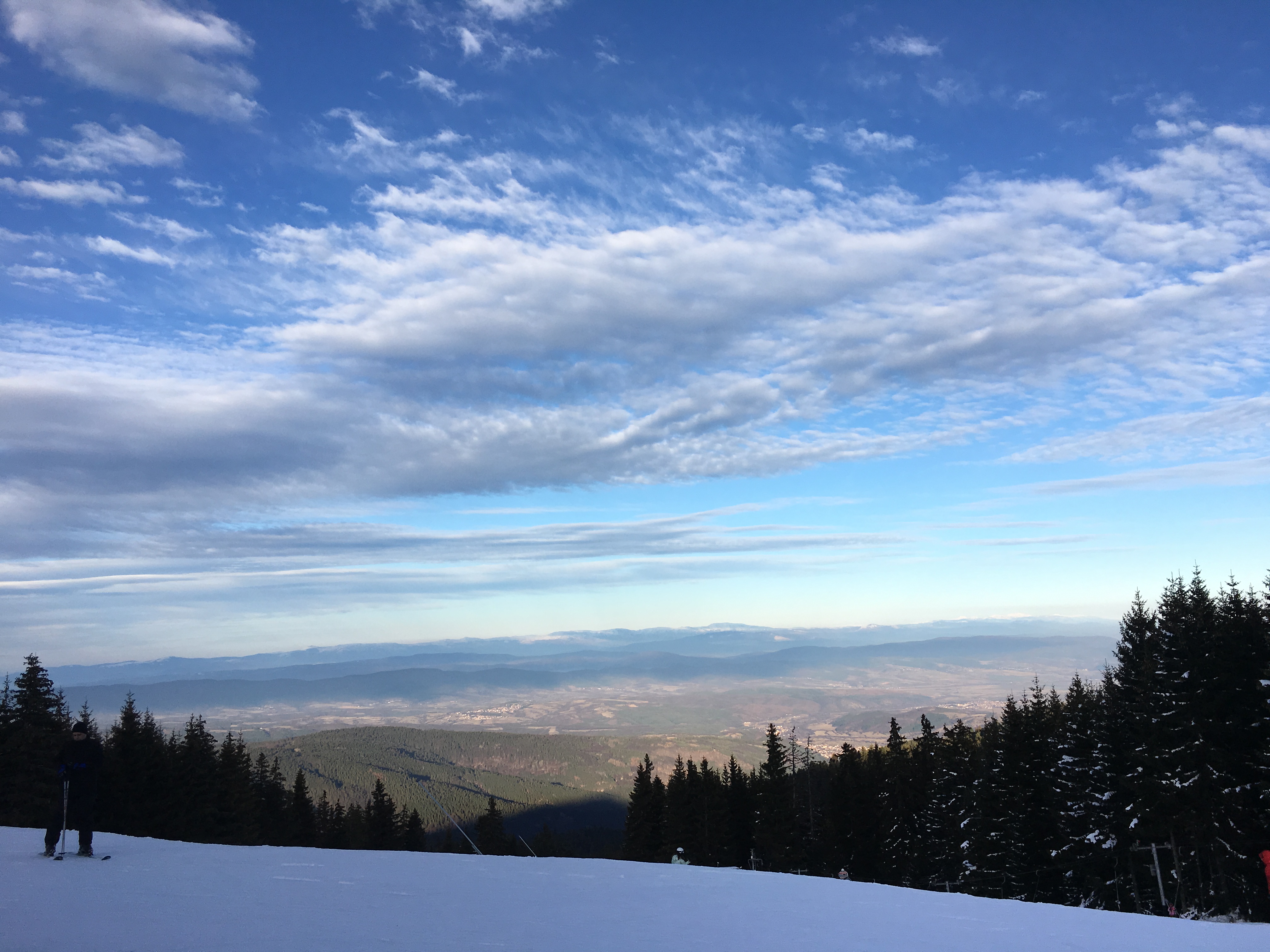
For the hike lovers among you, mountains constitute a significant part of Bulgaria and are dominant in the southwest and central parts. Bulgaria’s highest mountains are Rila (highest peak Musala, 2925 m; the highest in the Balkans) and Pirin (highest peak Vihren, 2914 m). The large mountain chain of Stara planina (Balkan Mountains) runs west-east across the entire country, giving the name to the entire Balkan peninsula. Other extensive mountains are the massifs Rhodopes and Strandzha in the south.
This is a useful website on the Bulgarian mountains
Vitosha – the mountain surrounding Sofia, just 20 minute drive from the city
Rila – it takes around 1.15hrs from Sofia to get to Borovets from where you can best explore the mountain. Rila has the highest peak in Bulgaria, 2925m as well as the beautiful seven lakes
Pirin – it takes around 2hrs from Sofia to get to Bansko, a ski resort and cosy mountain village (though parts of it feel overconstructed). From here you can explore the Pirin mountains with its highest peak 2,914 m. The mountain is named after Perun, the highest god of the Slavic pantheon and the god of thunder and lightning
From Bansko, a famous ski resort as well as a pleasant mountain village in the summer, you can do a three day hike trip to the town of Melnik (2.20hrs from Sofia, close to the border with Greece, more on the city further below)
There are also cute old style villages which can be used as a starting point for easier hikes. For example check out Zheravna (2.5hours from Varna) or this hotel.
Seaside:
Bulgarian coastline is almost 400km long, filled with nice beaches and resorts for all tastes and overall at a bargain compared to Western prices.
There are two large coastal cities – Varna and Bourgas. The wedding venue is north of Varna and lies in one of the most northern parts of the coastline.
Varna has a rich history and is a cultural center within Bulgaria. Should you wish to make a day or half-day stop before your departure, good places to visit are the churches, the town center – which offers good shopping and dining options and the sea garden. Here some brunch/breakfast suggestions. For restaurants and bars it is best to just head directly to the beach and the sea garden that surrounds it. The beach itself is not spectacular and there are many better options around Varna.
Driving from Varna to Bourgas takes around 2-3 hours. Starting form the North we list here some notable beach places.
Between Black Sea Rama and Varna there are several other golf resorts as well as larger predominantly family-oriented resorts, namely Albena, Golden Sands and Sveti Konstantin and Elena.
More or less in the middle of the road between Varna and Bourgas you will find Obzor (seaside town, family-oriented) and Irakli, one of my most favourite beaches. Irakli is one of the few remaining wild beaches on the Bulgarian coast. Here you can find amazing nature, clean water and beautiful beach rocks. The bay has a large beach stripe (more than 3 km), which reaches to Cape Emine. The place is visited mainly by young people, who ignore the lack of comfort and enjoy their contact with wild nature. By now there are a couple of beach bars/cafes in the beginning of the beach. Irakli is included in the list of protected areas to preserve the typical coastal habitats of rare and endangered floral species, as well as lots of birds. The beach is home to nudists (in the farther parts only), tortoises and off-shore dolphins, and an emblem of Bulgaria’s protest movement against the country’s preoccupation with flogging the Black Sea coast to developers as quickly as possible.
Further south you have Pomorie, just next to the well-known Sunny Beach – for the most part overconstructed tourist trap full with Nordic teenagers. Next to it is Nessebar and between the two you have Cacao beach with some of the most visited beach bars and clubs at the seaside (where for example you can see Armin van Buuren live).
Nessebar has an old town part with cobbled streets that sits on a promontory and the city is lined with ruins such as Byzantine-era fortifications and baths
Bourgas/Burgas is the fourth largest city in Bulgaria situated 130 km from Varna. There are few beaches in the town of Burgas, but it is more famous for its proximity to the southern Bulgarian Black Sea resorts like Sunny Beach, Nessebar, Sozopol, Dyuni, Elenite, etc. As usual for the seaside (and in general Bulgaria), there are plenty of restaurants, bars and night life. If you stay there for a day, make sure you check out the sea garden where you can also rent bikes.
Some natural resorts in the area are the Kaliakra and Ropotamo
35km south of Bourgas is Sozopol, an ancient seaside town. This town is also very close to is one of the hipsters and quite popular camping places, Gradina, where you have several cool beach bars such as the Kite bar (check the video for the atmosphere). There are multiple other beach spots 15-20min drive from Sozopol (eg Kavatsite), though it gets crowded in the summer weekends.
Further south there are more seaside resorts and towns, but those might be a bit too far from the venue without offering something special compared to the other ones. So we won’t recommend going this way unless you plan to continue with a trip to Turkey (in that case Lozenetz, Tsarevo and Ahtopol are best options, you can skip Primorsko or Kiten).


An example drive from Sofia to Varna:
Koprivshtitsa – museum village, once the heart of Bulgaria’s revolution against the Ottomans, around an hour drive from Sofia.
Shipka Pass – Communist-style Freedom Monument on the way from the south to the north side of Bulgaria
Bojentsi – village and architectural reserve. We stayed once at this house and it is lovely: Stefanina kushta
Devetashka cave – this is Ewout’s favourite cave. The Krushuna waterfalls are also really close by
Etar – open air ethnographic museum. The Sokolski monastery is just next to it
Veliko Turnovo – one of Bulgaria’s oldest cities famous for its fortified walls, cobbled lanes and the Tsarevets fortress. Arbanasi – old style village close to Veliko Turnovo.
An example drive from Varna to Sofia:
You can drive from Varna to Bourgas (see seaside section). From Bourgas you can drop by Sozopol and check out the beaches close to it or head to Plovdiv. On the way you can visit Zheravna or have some wine at Starosel. From Plovdiv you can head directly back to Sofia or head south and spend some time in the mountains (you can also check the next section for more options).
South / South East from Sofia:
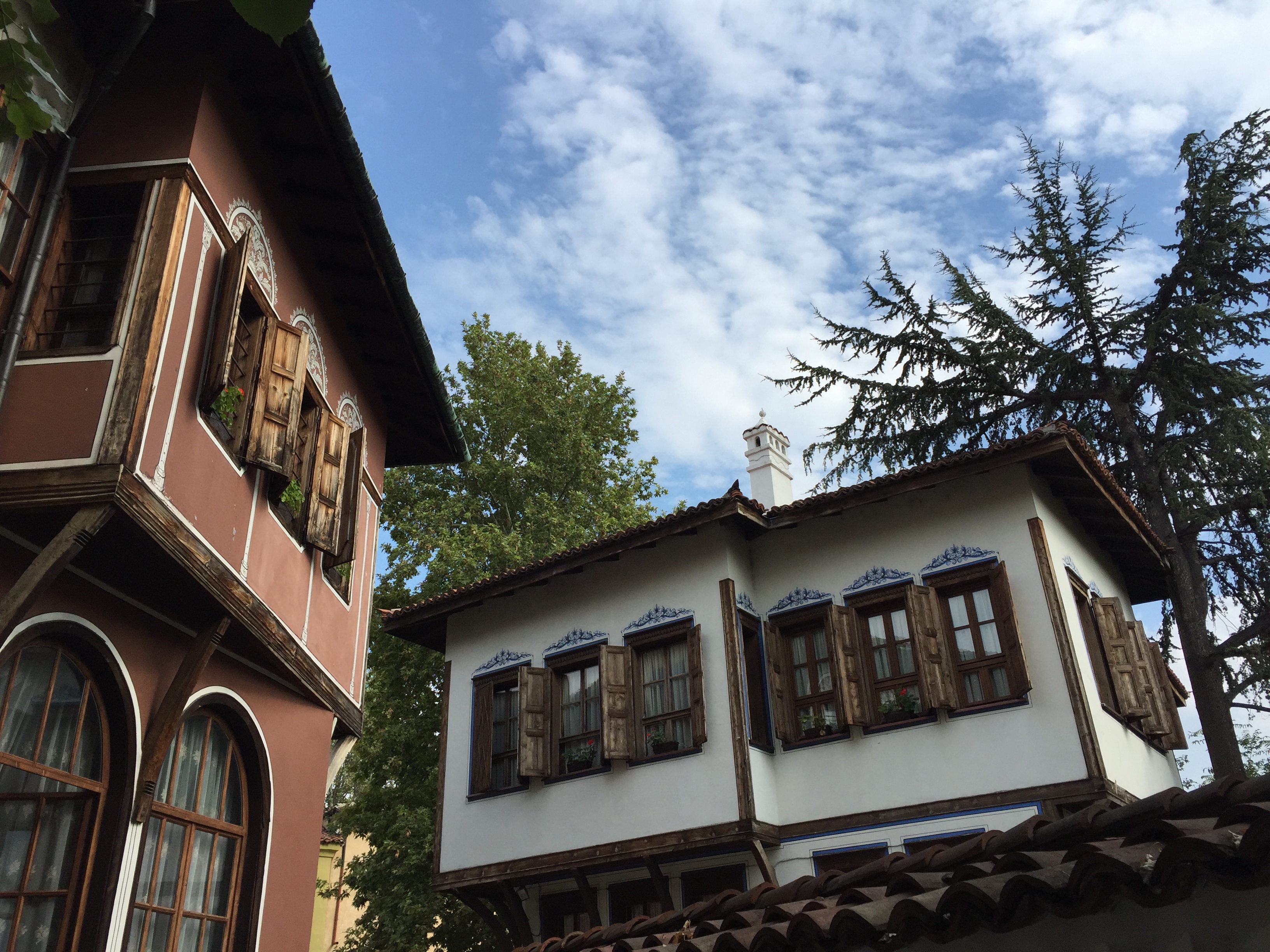
Plovdiv – like Rome, Plovdiv straddles seven hills; but as Europe’s oldest continuously inhabited city, it’s far more ancient. Plovdiv, the second largest city, is best loved for its romantic old town, packed with colourful and creaky 19th-century mansions that are now house-museums, galleries and guesthouses. Great for a day visit.
Rhodopi mountains – Shiroka Luka – cute mountain village. You can stay over at the peaceful mountain village Gela (15min drive) and also visit two unique caves Diavolsko gurlo cave (Devil’s throat) and Yagodina cave in the Trigrad canyon. Here some more on hiking in the region
Tsigov Chark is a cute village just next to the lake Batak dam in Bulgaria. Example of a hotel in the area
Leshten and Kovachevica villages are popular destinations for rural tourism. The two villages are separated by just 8 km and are located in the Western Rhodopes. Another article on these two spots
Rila monastery – the largest and most famous Eastern Orthodox monastery in Bulgaria
Melnik is the smallest town in Bulgaria, famous for its wine, sand pyramids forming bizarre shapes (and also great for a hike) and the nearby Rhozen monastery
Wine / Spa / Climbing holidays:
As you’ve seen from all of the information above, there are different sort of holidays you can plan – hiking in the mountains, beach holiday, city trip, golf. Here some additional options such as wine, spa or climbing/cave tourism.
This is an excellent intro article on Bulgarian wine. Melnik and Starosel are great wine destinations.
Starosel is a village in central Bulgaria, close to Plovdiv (second largest city). It is known for the abundance of ancient Neolithic and Thracian sites, with some finds dating as far back as the 5th-6th millennium BC, as well as for wine and wineries.
Spa / mineral water: When it comes to mineral waters, Bulgaria does stand out. It boasts well over 200 mineral springs! Most of them were discovered and developed centuries ago and they played pivotal role for the establishment of several towns. Nowadays some of them have become popular spa resorts that attract lots and lots of people who relish the healing power of water. The average temperature of the springs in Bulgaria ranges from 37 to 50°C and their waters are generally characterised by low levels of mineralization.
As a very mountainous country, Bulgaria cannot complain from a lack of interesting caves. Here are some of the most notable ones. If you love climbing, also read this article.
Northwest:
Belogradchik Rocks are a group of strange shaped sandstone and conglomerate rock formations located on the western slopes of the Balkan Mountains in northwest Bulgaria (unfortunately somewhat far away from most of the other sights as well as in one of the poorest regions of the country). The rocks are still breathtaking, so if you have lots of time, keep it in mind.
Some good-to-know things about Bulgaria
The currency is Bulgarian lev, which is fixed to the euro at a nearly 2:1 exchange rate. ATMs are easy to find (nearly everywhere)
Younger people in general speak better English than the older generation. Likewise for larger cities vs smaller ones
It’s European Union (though we are sure you know this already ;). So no visum needed for the ones travelling within the EU
Food is amazing! (check the food video). Try it with some Bulgarian drinks
More on food and drinks
Here are some funny/unusual Bulgarian customs and traditions
Folk dances are still played nowadays and are integral part of weddings too (such as the Choros and Rutschenitsa danced hand in hand in open circles)
We write in Cyrillic as the Russians (the alphabet was actually invented in Bulgaria in the middle of the 9th century.. and get used to this -> Bulgarians being proud of their heritage). Back to the topic – most restaurants have a menu in English. Some street names in the bigger cities are written in Latin letters also. Not only the writing is different to most parts of Europe, also the body language is pretty confusing. Nodding the head in the up-and-down-direction means no and nodding from side to side means yes. This can cause pretty tricky situations
Renting a car is quite easy and also cheap. For distances between cities best check google maps and look at the time it takes to get from A to B -> many of the roads are not highways and 100km may sometimes take 3x longer than on other roads (also given the mountainous roads in some areas)

 Tutto il mondo è paese
Leave a comment